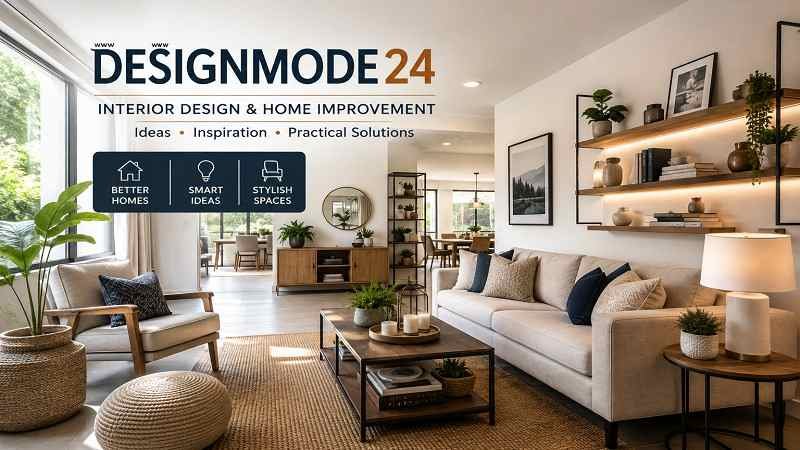
Creating a comfortable, attractive, and functional home does not always require a major renovation or a large budget. With thoughtful planning, practical improvements, and the right design ideas, we can transform ordinary spaces into places that feel organized, welcoming, and useful. www DesignMode24 focuses on practical interior design and home improvement ideas that can help homeowners make better decisions for their living spaces.
Whether we are refreshing a single room, improving storage, changing the appearance of a living area, or planning a complete interior update, the right approach can make the process easier. Instead of making random changes, we can work step by step and focus on improvements that provide both visual and practical value.
What Is www DesignMode24?
www DesignMode24 is a practical source of ideas for interior design, home improvement, decorating, organization, and modern living spaces. The main purpose of this type of resource is to help readers discover useful ways to improve their homes without making the process unnecessarily complicated.
Good interior design isn’t simply about buying expensive furniture or following every current trend. We need to consider how a room is used, how much space is available, how different elements work together, and what changes provide the greatest benefit.
By taking a practical approach, we can create interiors that look appealing while remaining comfortable and functional for everyday life.
Start With a Clear Home Improvement Plan
Before changing a room, we should identify exactly what needs improvement. A simple plan prevents unnecessary spending and helps us concentrate on the most important tasks.
We can begin by examining the room and asking several practical questions:
- What is currently working well?
- What feels uncomfortable or inconvenient?
- Is there enough storage?
- Does the room receive enough natural light?
- Is the furniture arranged efficiently?
- Which items are unnecessary?
- What improvements can be completed within the available budget?
Once we understand the problems, we can prioritize them. For example, improving the layout may be more valuable than buying decorative accessories. Similarly, adding useful storage can make a small room feel much better without changing its entire design.
Choose a Functional Interior Layout
A beautiful room still needs to work properly. Functionality should be one of the first considerations when designing an interior.
We should think about how people move through the space. Furniture should not unnecessarily block doors, windows, walkways, or frequently used areas. A practical layout makes everyday activities easier and can also make a room appear more spacious.
For living rooms, we can create a clear conversation area around the main seating. In bedrooms, the bed should remain easy to access, while storage furniture should be positioned where it does not interfere with movement.
For smaller homes, multifunctional furniture can be particularly useful. Storage beds, compact tables, shelving units, and furniture with multiple purposes can help us use limited space efficiently.
Improve Natural Light
Lighting can significantly influence how an interior looks and feels. Before purchasing numerous lamps or changing electrical fixtures, we should make better use of the natural light already available.
Keeping windows clean and avoiding unnecessary objects around them can allow more daylight into the room. Light-colored curtains can also help maintain brightness while providing privacy.
Mirrors can be positioned strategically to reflect available light and create a greater sense of openness. We should also consider the room’s purpose when selecting artificial lighting. A workspace may require focused lighting, while a living room can benefit from a combination of general and softer lighting.
Use Color With Purpose
Color is one of the easiest ways to change the appearance of an interior. However, we should select colors according to the room’s size, lighting, purpose, and existing furniture.
Neutral colors can create a calm foundation, while carefully selected accent colors can add personality. Instead of covering every surface with strong colors, we can use accessories, artwork, cushions, rugs, or one feature wall to introduce visual interest.
A useful approach is to select a primary color, a secondary color, and one or two accent shades. This creates consistency and prevents the room from feeling visually confusing.
Declutter Before Decorating
One of the most practical home improvement steps is decluttering. Adding new furniture and decorations to an already crowded room can make the space feel smaller and less organized.
We should first remove items that are broken, unused, duplicated, or no longer necessary. Frequently used belongings can remain accessible, while less frequently used items can be stored properly.
Decluttering does not mean removing everything. The goal is to create a balanced environment where useful possessions remain available without overwhelming the room.
Once unnecessary items are removed, existing furniture and decorations often become more noticeable, and the entire room can feel cleaner.
Create Better Storage Solutions
Storage plays an important role in successful interior design. Poor storage can quickly turn an attractive room into a disorganized one.
We can improve storage by using:
- Wall-mounted shelves
- Storage baskets
- Built-in cabinets
- Under-bed storage
- Multi-purpose furniture
- Drawer organizers
- Vertical storage solutions
Using vertical space is especially useful in smaller rooms. Tall shelving can provide additional storage without taking up as much floor space.
We should also organize storage according to frequency of use. Items we use every day should be easy to reach, while seasonal or rarely used belongings can be stored in less accessible areas.
Select Furniture Based on Room Size
Furniture should match the scale of the room. Large furniture can overwhelm a small space, while furniture that is too small may make a large room feel incomplete.
Before purchasing anything, we should measure the available space. Measurements should include doors, windows, walkways, and existing furniture.
Creating a basic floor plan can also help us understand whether a particular piece will fit. This simple step can prevent expensive purchasing mistakes.
When choosing furniture, we should consider both appearance and durability. A stylish product may look attractive, but practical furniture should also provide comfort and withstand regular use.
Combine Style and Practicality
A successful interior does not need to choose between beauty and usefulness. We can achieve both by selecting items that serve a purpose while contributing to the overall design.
For example, an attractive storage cabinet can provide organization while becoming part of the room’s visual design. A well-designed rug can define a seating area while adding texture. Decorative lighting can provide illumination while becoming a design feature.
This approach helps us avoid unnecessary decoration and makes every major element contribute something meaningful to the space.
Make Small Home Improvements First
We do not always need to renovate an entire home at once. Small improvements can produce noticeable results when they are selected carefully.
We might begin with:
- Reorganizing furniture.
- Removing unnecessary items.
- Improving lighting.
- Updating curtains or rugs.
- Adding practical storage.
- Repainting a tired wall.
- Updating hardware on cabinets and doors.
- Adding carefully selected decorative elements.
Completing improvements gradually also makes it easier to control costs. Instead of purchasing everything immediately, we can evaluate each change before deciding what should come next.
Create a Comfortable Living Space
Interior design should support everyday life. A home needs to feel comfortable for relaxing, working, studying, entertaining, and completing household activities.
We should therefore consider practical details such as seating comfort, temperature, lighting, storage, noise, and accessibility. Decorative choices should support these needs rather than becoming the only priority.
Soft textiles, comfortable seating, appropriate lighting, and an organized layout can all contribute to a more pleasant environment.
Choose Materials Carefully
When making home improvements, materials should be selected according to durability, maintenance requirements, appearance, and budget.
For high-use areas, durable materials may be more practical than delicate finishes. Kitchens and bathrooms, for example, require surfaces that can handle regular cleaning and moisture.
We should also consider long-term maintenance. A material that looks excellent but requires constant care may not be the best choice for a busy household.
Avoid Following Every Design Trend
Trends can provide inspiration, but we should not redesign our entire home every time a new style becomes popular. Interior improvements should reflect our needs and remain practical over time.
A better strategy is to use timeless elements for major purchases and introduce trends through smaller, easily replaceable items.
This allows us to refresh the appearance of a room without repeatedly replacing expensive furniture or finishes.
Plan Your Budget Before Shopping
A clear budget makes home improvement more manageable. We should divide available funds between essential improvements and optional decorative purchases.
A useful priority system is:
First: safety, repairs, and functionality.
Second: storage, lighting, and essential furniture.
Third: decorative improvements and accessories.
We should also leave some room in the budget for unexpected costs. Even small projects can involve additional materials, repairs, or installation expenses.
Common Interior Design Mistakes to Avoid
Several mistakes can make home improvement projects more difficult.
Buying Furniture Without Measuring
A product may look perfect online or in a showroom but fail to fit comfortably into the intended room.
Using Too Many Decorative Items
Too many accessories can create visual clutter. We should choose fewer items and position them intentionally.
Ignoring Lighting
Even excellent furniture and colors can look different under poor lighting. We should plan natural and artificial lighting together.
Choosing Appearance Over Comfort
A room should be enjoyable to use. Furniture that looks impressive but is uncomfortable may not be a good long-term choice.
Starting Without a Budget
Without financial planning, small purchases can quickly become expensive. We should establish a realistic spending limit before beginning.
Frequently Asked Questions About www DesignMode24
What is www DesignMode24 about?
www DesignMode24 focuses on practical ideas related to interior design, home improvement, decorating, organization, and creating more functional living spaces.
Is interior design only about decoration?
No. Interior design involves much more than decoration. Layout, lighting, storage, furniture, comfort, functionality, colors, materials, and organization all contribute to a successful interior.
How can we improve a room without spending a lot?
We can start with low-cost improvements such as decluttering, rearranging furniture, improving lighting, organizing storage, changing textiles, and adding carefully selected decorative elements.
How do we make a small room feel larger?
Keeping the room organized, using suitable furniture sizes, maximizing natural light, maintaining clear walkways, and using vertical storage can help create a greater sense of space.
Should we follow current interior design trends?
Trends can provide inspiration, but we should prioritize comfort, functionality, durability, and personal preferences. Smaller decorative elements are often a safer way to introduce trends.
Why is storage important in interior design?
Good storage keeps belongings organized and reduces visual clutter. It also allows us to use available space more efficiently.
Final Thoughts on www DesignMode24
www DesignMode24 represents a practical approach to improving interiors through thoughtful planning, useful design choices, and manageable home improvement projects. We do not need to transform an entire property overnight. By identifying problems, setting priorities, improving organization, selecting suitable furniture, and making better use of light and space, we can create a home that is both attractive and functional.