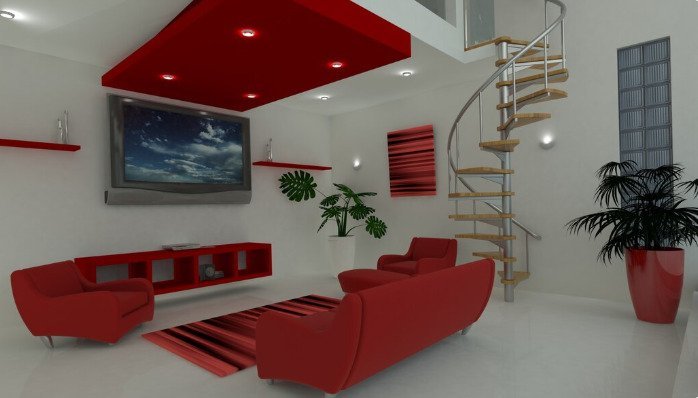
Interior design plays an important role in creating spaces that are comfortable, attractive, and practical. With interior design designmode24, we can explore modern approaches to decorating homes and improving the way different rooms look and function. A well-designed interior is not simply about selecting attractive furniture or following the latest trends. It involves understanding the space, choosing suitable materials, creating visual balance, and making thoughtful decisions that reflect everyday needs.
What Is Interior Design Designmode24?
Interior design designmode24 represents an approach to creating interiors that combine style, functionality, organization, and personal character. We can apply these principles to bedrooms, living rooms, kitchens, bathrooms, home offices, dining areas, and other spaces.
A successful interior should work for the people using it. Furniture needs to be positioned appropriately, lighting should support different activities, and colors and materials should work together rather than compete for attention. By considering these elements together, we can create a more cohesive and comfortable environment.
Modern interior design also gives us greater flexibility. Instead of following one strict decorating style, we can combine contemporary furniture with traditional details, natural materials with modern finishes, or simple layouts with carefully selected decorative elements.
Understanding the Principles of Interior Design
Before making major changes, we should understand several fundamental principles that influence the appearance of a room.
Balance
Balance helps distribute visual weight throughout a space. We can create symmetrical balance by placing similar furniture or decorative elements on opposite sides of a room. Alternatively, asymmetrical balance can create a more relaxed and contemporary appearance.
The objective is to prevent one section from feeling unnecessarily heavy or crowded.
Proportion and Scale
Furniture and decorative objects should be appropriate for the size of the room. A large sofa can overwhelm a small living room, while very small furniture may look disconnected in a spacious area.
We should therefore consider measurements before purchasing significant pieces. Proper scale and proportion can make a room feel naturally organized.
Color
Color has a major influence on the atmosphere of an interior. Neutral shades can provide a calm foundation, while carefully selected accent colors can introduce personality.
A practical approach is to select a primary color palette and then introduce complementary shades through cushions, artwork, rugs, curtains, or accessories.
Texture
Texture adds depth and visual interest. Wood, stone, glass, metal, fabric, wool, and natural fibers can all contribute different qualities to an interior.
Combining several textures can make a simple room feel more layered without requiring excessive decoration.
Modern Interior Design Ideas for Living Rooms
The living room often serves as one of the central areas of a home. We can improve its appearance by creating a clear focal point and arranging furniture around practical movement patterns.
A sofa should provide sufficient seating without blocking important pathways. A coffee table can connect the seating arrangement, while a rug can visually define the conversation area.
For a modern appearance, we can use a restrained color palette with selected decorative accents. Natural wood, soft textiles, plants, artwork, and practical lighting can create warmth while maintaining a contemporary feel.
Storage should also be considered. Shelving, cabinets, baskets, and multifunctional furniture can reduce clutter and help maintain a clean appearance.
Interior Design Ideas for Bedrooms
A bedroom should support relaxation while also providing enough storage and functionality. We can begin with the bed because it normally serves as the primary visual element.
Bedside tables, appropriate lighting, comfortable textiles, and organized storage can create a balanced arrangement. Soft colors can contribute to a peaceful atmosphere, while carefully selected artwork or accessories can add individuality.
Lighting deserves particular attention. Instead of depending entirely on one ceiling fixture, we can combine general lighting with bedside lamps or other suitable sources.
Kitchen Interior Design Designmode24 Ideas
Kitchen design requires a particularly strong connection between appearance and functionality. The placement of cooking areas, storage, work surfaces, and appliances should support efficient movement.
We can create a visually appealing kitchen by coordinating cabinets, countertops, flooring, lighting, and hardware. Open shelving can display selected items, while closed cabinets can conceal everyday clutter.
Material selection is also important. Surfaces used regularly should be practical for cleaning and suitable for their intended purpose.
Modern kitchen interiors can incorporate natural wood, neutral cabinetry, simple hardware, textured surfaces, or subtle accent colors. The final result should remain practical rather than sacrificing usability for appearance.
Creating Functional Home Offices
As working and studying from home become common, dedicated workspaces have become increasingly valuable. A home office should provide adequate lighting, comfortable furniture, and enough storage for everyday materials.
We can use a desk that fits the available space while keeping frequently used items within easy reach. Cable management can also improve the overall appearance and reduce unnecessary visual clutter.
Where space is limited, a compact desk or multifunctional furniture can provide an effective solution without requiring an entire room.
The Importance of Interior Lighting
Lighting can significantly change how an interior looks. We should consider natural and artificial lighting together when planning a room.
Large windows can provide daylight, while curtains and blinds can help control brightness and privacy. Artificial lighting can then be divided into different functions.
Ambient lighting provides general illumination. Task lighting supports activities such as reading, cooking, or working. Accent lighting can draw attention to artwork, architectural features, shelving, or decorative objects.
Using multiple lighting sources allows us to adjust the atmosphere according to different needs and times of day.
Choosing Furniture for Interior Design Designmode24
Furniture should combine appearance, comfort, durability, and appropriate scale. Before purchasing an item, we should measure the available area and consider how it will interact with existing furniture.
Instead of filling a room with numerous pieces, we can focus on furniture that serves a clear purpose. A smaller number of well-selected pieces can often create a more organized environment.
Multifunctional furniture can be particularly useful in smaller homes. Storage ottomans, extendable tables, shelving systems, and furniture with integrated storage can help us maximize available space.
Using Natural Materials in Interior Design
Natural materials can introduce warmth and character into contemporary interiors. Wood, stone, rattan, linen, cotton, and other natural textures can create visual variety.
Wooden furniture can soften spaces dominated by hard surfaces, while woven accessories can introduce additional texture. Plants can also provide a natural element and bring visual freshness to an interior.
We should use these materials thoughtfully rather than adding them simply because they are fashionable.
Interior Design and Small Spaces
Small rooms require careful planning because every piece of furniture occupies valuable space. We can improve a compact interior by selecting appropriately sized furniture and maintaining clear walking areas.
Mirrors can help reflect light and create a greater sense of openness. Light-colored surfaces can also contribute to an airy appearance.
Vertical storage is another useful strategy. Tall shelves and cabinets can take advantage of wall space without occupying excessive floor area.
The most important principle is to avoid unnecessary clutter. A smaller number of functional objects can make a compact room feel more comfortable.
Sustainable Interior Design Choices
Sustainability can also become part of modern interior design. We can consider durable furniture, responsibly sourced materials, reusable decorative items, and products designed for long-term use.
Instead of replacing everything whenever trends change, we can update a room through smaller adjustments such as textiles, artwork, lighting, or accessories.
Choosing durable products can also reduce the need for frequent replacements and help create interiors that remain useful over time.
Interior Design Trends and Personal Style
Trends can provide inspiration, but they should not completely determine how a home is designed. A space should reflect the preferences and practical requirements of the people who use it.
We can take inspiration from contemporary design while maintaining personal elements such as family photographs, artwork, books, collections, or meaningful decorative objects.
A timeless foundation combined with changeable accessories can provide greater flexibility. This approach allows us to refresh an interior without undertaking a complete redesign.
How to Plan an Interior Design Project
A structured plan can make an interior project easier to manage. We can begin by identifying the purpose of the room and the problems that need to be addressed.
Next, measurements should be taken and a realistic budget established. We can then decide on the overall style, color palette, materials, furniture requirements, lighting, and storage.
Creating a priority list is useful when the project involves several rooms. Essential improvements can be completed first, while decorative additions can be introduced gradually.
Before purchasing major furniture, we should check measurements, materials, maintenance requirements, and compatibility with the existing space.
Common Interior Design Mistakes to Avoid
Several common mistakes can reduce the effectiveness of an otherwise attractive interior.
Overcrowding is one of the most frequent problems. Too much furniture can restrict movement and make a room feel smaller.
Another issue is poor lighting. Even beautiful furniture and finishes may not look their best when lighting is insufficient or poorly positioned.
Ignoring storage can also lead to clutter. We should consider where everyday belongings will be stored before finalizing the design.
Finally, using too many unrelated colors, patterns, or materials can make a room appear visually confusing. A consistent design direction usually produces a more cohesive result.
Conclusion
Interior design designmode24 provides a practical way to think about attractive, comfortable, and functional interiors. By considering balance, proportion, color, texture, lighting, furniture, storage, and personal style, we can create spaces that serve both aesthetic and everyday purposes.